

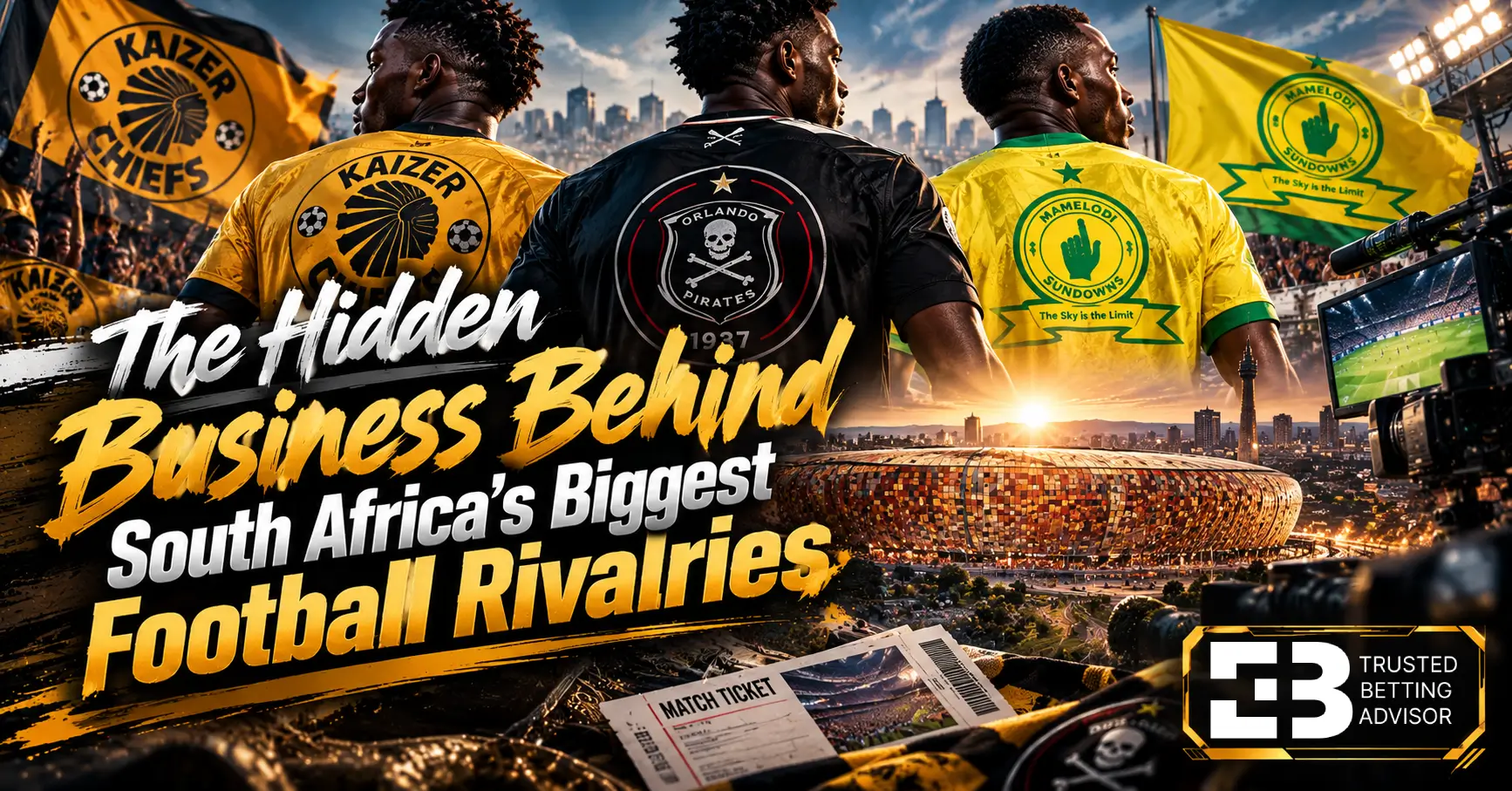
Football rivalries in South Africa are among the most interesting on the continent and for a good reason. Clubs like Kaizer Chiefs, Orlando Pirates and Mamelodi Sundowns have fans all over the country and millions of supporters have become part of a sporting spectacle that extends beyond the pitch.
The Sowerto Derby remains one of the clearest examples of the sport’s influence. The game between the Kaizer Chiefs and Orlando Pirates attracts enormous attention and it turns the game into a major event for brands, businesses, and broadcasters.
Considering the popularity of these games, it’s no surprise that there are matches like that that are related to a lot of money. Ticket sales represent only one part of the financial opportunity, so we at Efirbet South Africa decided to learn more about everything and share our thoughts.
The Soweto Derby: South Africa’s Biggest Football Business
You can find only a handful of sporting events in South Africa that generate as much excitement as the Soweto Derby. The rivalry dates back to 1970, when a former Orlando Pirates player formed Kaizer Chiefs. The two teams first met on January 24 that year and this marked the beginning of one of the biggest football rivalries.
Nowadays, the allegiance to Chiefs or Pirates is part of people’s family identity. It’s safe to say that the club loyalty is passed between generations and this creates a special level of emotional attachment.
Even if one of the clubs has problems with winning trophies, supporters continue to help. They follow all matches, engage with different football-related content and will even buy merchandise.
When it comes to a business PoV, loyalty provides a deeply committed audience. The 2026 Soweto Derby is a clear example of how strong this demand is because the tickets for the game (over 50k of them) disappeared shortly after they were announced. Speaking of tickets, let’s learn more about them.
Tickets remain one of the Most Visible Sources of revenue
Football clubs in South Africa generate revenue from multiple sources, one of which is ticket sales. Matches, such as the Soweto Derby, attract tens of thousands of fans, so ticket revenue can be a significant source of commercial activity. Of course, games of this caliber also entail significant expenses, so clubs don’t really receive the full amount.
Revenue sharing between the clubs is also interesting, and it depends on the particular clubs and stadium. The Soweto derby will be held at the FNB Stadium, one of the largest in SA, which can accommodate huge crowds.
Speaking of tickets, matches of this caliber will offer much more than just the standard option. You can also find special deals that provide hospitality packages, such as the one from Beluga. There were ads that revealed the price is R5,395 per person before VAT and it includes reserved match seating, catering, a bar service and access to a hospitality facility.
TV Broadcasting – Turning Rivalries into Valuable Content
Not all football supporters can attend a derby in person, so it’s no surprise that millions watch the game on TV. Outside television broadcasts, streaming services and digital highlights are also becoming increasingly popular. In fact, these three are among the most important parts of South Africa’s football economy.
Nowadays, the Premier Soccer League has maintained a significant commercial relationship with broadcasters. Based on the latest data, CANAL+ announced it will extend its agreement with SuperSport to cover PSL matches across sub-Saharan Africa. This agreement shows that South African football is indeed popular locally.
Some high-profile rivals are very attractive because they have the potential to draw a large audience. In fact, the stats from the 2025 Soweto Derby back this up because it seems like around 3.7M people watched it on TV. This is great news for sponsors because their brands are exposed to millions of potential customers.
Sponsorship Deals – Why Brands Want to be Associated with Football Giants
Like all other football clubs around the world, teams in South Africa earn a lot of money from different kinds of sponsorship deals. Many businesses invest in clubs and competitions because football has a massive audience.
Nowadays, many of the leading football clubs in SA have established relationships with major telecommunications companies and sportswear brands. Of course, you also have all kinds of smaller partnerships with betting companies. Sports betting is incredibly popular in South Africa and the country is famous for having one of the largest fan bases around.
If we take a look at the Kaiser Chiefs, we will see that they work with Kappa. Orlando Pirates work with Adidas, whereas Mamelodi Sundowns are in a partnership deal with Puma. The different sponsorship agreements can include advertising rights, promo campaigns, branded merchandise, and so on.
Merchandise
There are many recognizable symbols of club loyalty, but football jerseys stand out. Supporters wearing their favorite club’s jersey allow them to demonstrate their allegiance, so it’s no surprise that they are very popular.
When one of South Africa’s leading football clubs releases a new jersey, it attracts loads of attention. Supporters will purchase them for personal use, as well as gifts and even collectibles. The stats from last month show that an official replica jersey of some of the biggest football clubs in SA costs around R1,300.
One of the issues with merchandise and earning money is the many counterfeit products. You can find tons of unofficial jerseys sold at much lower prices and this diverts revenue away from clubs. Some teams, such as Kaizer Chiefs, even took action against this merchandise because they recognized the importance of protecting the club’s intellectual property.
Vendors, Transport and Local Communities – the Business Outside the Stadium
The economic influence of South African football rivalries goes beyond the clubs and their official commercial partners. All of the big clashes create additional opportunities for different businesses operating around the stadiums.
Things like street vendors selling food, transportation companies, and accommodation businesses usually flourish during times like these. In 2024, for example, the Soweto Derby attracted around 87000 spectators. All of these people had to go to the stadium and they also wanted to eat, so you can imagine how this translates to the businesses around it.
The only downside of having such large crowds is that they can create problems. Factors such as traffic congestion, security requirements, and pressure on transport infrastructure increase the complexity of hosting these kinds of events.
Sports Betting and Its Growing Connection to Football Rivalries
We already mentioned how sports betting companies often sponsor South African football. There are many examples of that, such as the popular deal between the Premier Soccer League and Betway. The two signed a partnership deal that would last three years and it was valued at around R900m.
Betting operators are fully aware that people in South Africa love football. By investing in the sport and some of the best teams, they increase their exposure. Football offers a regular schedule of events and the audience is usually interested in wagering on their favorite teams and players.
Outside of offering loads of football betting options, some of the big betting operators in South Africa will also include special bonuses. It is common to find short-term proposals for some of the more interesting clashes.
It is also worth noting that all betting companies are collaborating on responsible gambling awareness campaigns. These things have become crucial in the last couple of years because brands recognize the importance of balancing commercial investment with consumer protection. People have to bet responsibly, so companies often allow clients to use various responsible gambling features, such as deposit/bet limits, time-outs, and so on.
Social Media has created a Huge Commercial Battleground
Many years ago, TV and stadium advertising were the only ways for football rivalries to generate commercial attention. This is no longer the case because social media has transformed how clubs communicate with their supporters and promote their brands.
Nowadays, you have platforms like TikTok, Facebook and Instagram that allow clubs to engage directly with their fans. All of the big rivalries are great at generating digital engagement because supporters debate the lineup and share their predictions. Many of them will also react to controversial decisions and celebrate victory through online communities.
All of this social media hype creates opportunities for businesses that want to connect with fans.
Closing Thoughts
Overall, we can conclude that South Africa’s biggest football rivalries have developed into powerful commercial events. They have a strong impact that goes far beyond professional sport.
Something that local clubs need to take into account is the potential betting regulations and how they will impact their revenue. They should check countries like Brazil and how the sudden gambling ban there affected everyone, including football clubs. Betting sponsorships are incredibly important for these teams because these sites pour in significant revenue.
It will be very interesting to see how the industry changes in the next couple of years.
More Interesting Articles