


Nigeria is one of the countries in Africa with the largest number of football fans. Every year, young players across the country train with the hope of one day landing in a big European football competition. Football represents an opportunity to escape poverty, support families and achieve financial independence.
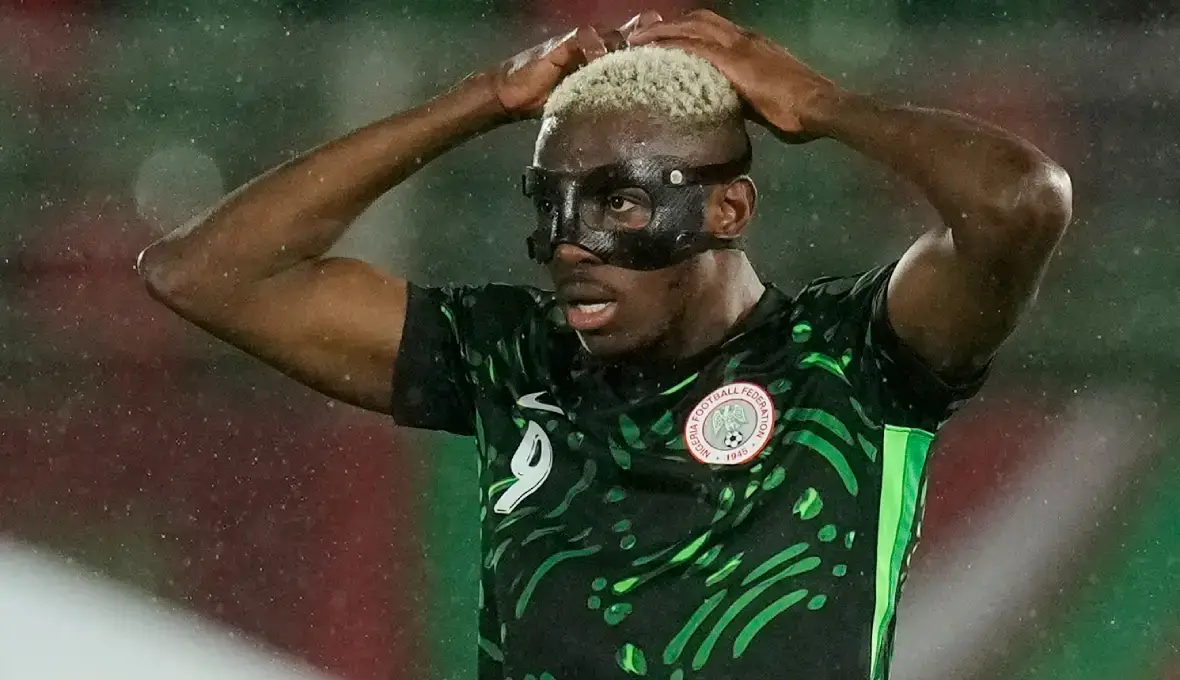
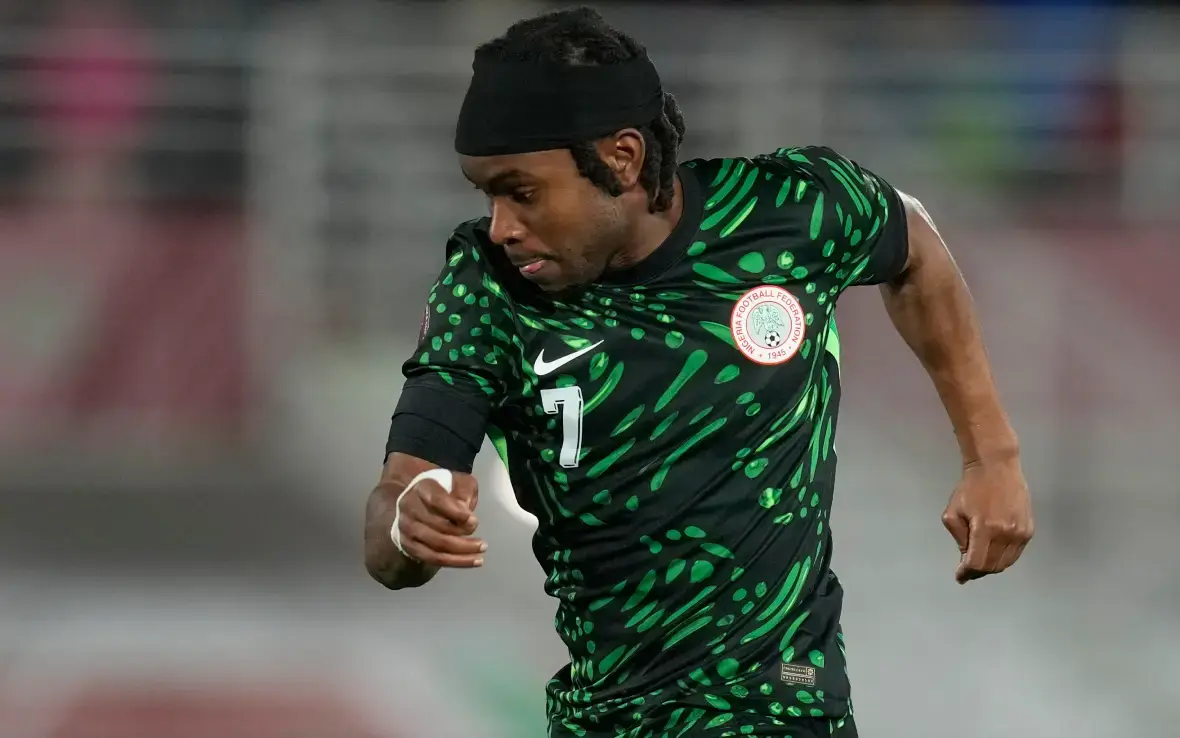
There are many Nigerian football players who have made it to the big stage and have become role models. People like Victor Osimhen, Ademola Lookman and John Obi Mikel are probably the most popular and for a good reason.



Sadly, the journey from Nigeria to Europe is not always that easy. Behind every successful transfer, there are many young players struggling to secure good opportunities. Some will face refusals, whereas others get involved in shady deals. We at Efirbet Nigeria decided to learn more about this situation and share some of the challenges that these people face. We will also take a look at a few specific examples that should give you an even better idea of what’s going on behind the scenes.
Financial Difficulties – Families Often Gamble Their Future on Football
There is no question that one of the biggest obstacles facing aspiring Nigerian footballers is the cost of pursuing opportunities abroad. There are cases where a young player may be very talented and can actually land in a big club. However, the lack of financial resources to attend trials, prepare documents or even travel to Europe put an end to this person’s dream.
Traveling to Europe on its own is not easy for Nigerians. They need to prepare visa applications, arrange flights, secure accommodation, and complete medical tests, and so on. There are some cases where football clubs themselves cover these costs, but this is usually not the case. As expected, families that are already struggling financially often get overwhelmed by these expenses they have to cover.
There are some cases where families borrow money or sell valuable possessions because they believe that their child can make it. The bad news is that no one can be sure whether the given player will make it and this creates a lot of uncertainty.
One of the best examples of this is Moshood Afolabi. His family sold land to finance his football dream of playing in England. However, instead of doing that, an agent persuaded him to pursue an opportunity in Mongolia instead, as a stepping stone towards European football.
The player decided to trust the agent’s advice, but shortly after arriving in Mongolia, he realized that the reality was different from what he had expected. The agent simply failed to fulfill many of the promises he had made. Initially, the player had to receive $200 per month to play, but this never happened and his immigration status also became a serious issue.
In the end, he had to ask a friend to pay his immigration penalty and a Scottish businessman to fund his return flight.
Fake Agents and the Business of Selling False Hope
Another major problem Nigerian football players often face involves agents. Many people are often approached by these agents while playing for local clubs, football academies, or via social media. Some of them claim to represent professional clubs in certain countries and will even provide evidence such as photographs and documents. Sadly, many of them are simply fake and try to steal the player’s money.
These people usually make big promises to get young players interested. The fraud itself usually starts when the intermediary requests money for registration, travel arrangements, accommodation, or a supposedly guaranteed trial. Once the payment has been made, the promised opportunity usually disappears.
Sadly, there have been many cases in Nigeria related to these kinds of scams. In fact, the Didier Droga Foundation and the International Labor Organization launched an awareness campaign in 2023 against these kinds of people. There was a report indicating that around 70% of people were approached by someone offering assistance in joining a given club. Over 56% of these people said that the trial never happened, whereas 44% did not even receive the contact they expected.
When it comes to Nigeria, there was an Al Jazeera investigation that revealed that some Nigerians who traveled to Russia around the 2018 World Cup were promised football opportunities, but these never materialized. After paying the requested amount, no one helped them get what they wanted.
Visa Restrictions
Let’s face it, Nigerians do not have the strongest passports in the world. Even when a European football opportunity is genuine, immigration procedures can prevent Nigerian players from participating.
Every Nigerian footballer who wants to travel to Europe has to check each country’s rules. Although these people have to go to a given country, they need a visa in order to do that and a club’s invitation does not guarantee visa approval. Many of these restrictions can often cause delays and this could affect players’ careers.
One of the most recent examples of this issue occurred in April 2024, when the Nigeria Under-15 national football team was preparing for a tournament in Spain. The country received an invitation to take part in the event and everyone was eager to attend it.
However, the Nigerian Football Association said that the players and officials did not receive a visa from Spain’s Embassy. As a result, no one on the team was able to attend the tournament, missing out on a big opportunity. It may not seem that important, but young players missing out on a big international competition is a huge missed opportunity to showcase what they can do to the world.
Work Permits – Signing for a Major European Club is Often Not Enough
Even if Nigerian football players get a visa to enter the country, it does not mean that they can actually play for the club. There are countries that also need to provide special work permits and the United Kingdom is one of them.
Foreign players who require immigration permission must meet specific requirements to play in the country. The rules change over time and the sad truth is that many people simply fail to do that.
One of the most interesting examples here is Taiwo Awoniyi, a player who joined Liverpool in 2015. He was one of the most promising young strikers who had a key role in Nigeria’s success in the 2013 U-17 FIFA World Cup.
Everything seemed to be going well until Awoniyi encountered a major obstacle: he couldn’t secure a UK work permit. As a result, Liverpool sent him on loan to several clubs outside England, including FSV Frankfurt, NEC Nijmegen, Royal Excel Mouscron and KAA Gent. The situation understandably frustrated and he shared that in an interview with the BBC later.
Complicated Contracts and the Risk of Losing Control Over a Career
The next hidden challenge that some Nigerian football players often forget about is related to contracts. Young players may be asked to sign specific agreements, contracts, transfer documents, and so on, and the sad part is that not all of them have legal advisors. Consequently, these players sign complicated contracts that they don’t know how to navigate.
John Obi Mikel’s controversial transfer to Chelsea is probably the best example here. He actually experienced one of the most controversial transfer disputes in history. The player first moved to Norway to play for Lyn Oslo, but Manchester United decided to sign him in 2005. Chelsea was also interested in the player and the two EPL powerhouses started “fighting” over him.
This case attracted loads if international attention because some reports even claimed that someone had kidnapped Mikel after he left Norway. However, the parties finally settled the dispute in 2006 when Chelsea agreed to pay Manchester United 12M GBP and Lyn Oslo 4M GBP so they could get Mikel’s signature
Thy Physical and Psychological Difficulties of Adapting to European Football
Arriving in Europe does not automatically guarantee success, and many young Nigerians seem to forget that. Once they land there, they need to adjust to a different footballing culture, climate, language and coaching styles. Some of them have no issues and adapt fast, whereas others need more time.
There have been many cases of people who play exceptionally well in Nigeria but struggle once they make the move. Victor Osimhen is probably a good example here as he is one of Nigeria’s best strikers. Before reaching this stage, however, the player had serious issues in Germany.
He first moved there in 2016, but the transition proved to be very difficult. He failed to score a single goal in his first 16 games for the club, which was very disappointing, considering his result in the U-17 FIFA World Cup the year prior. The player needed much more time to adapt, so this is something Nigerian players need to take into account.
Conclusion
The dream of playing professional football in Europe continues to inspire millions of football players worldwide. Nigeria is no exception, but everyone who wishes to make steps in this direction needs to be careful.
We already examined some of the potential pitfalls that players can find themselves in, but this is just the beginning. All of these tests eventually sort out those who can endure them.
More Interesting Articles