The 2026 World Cup is already underway, with the group stage now shaping the route to the Round of 32. This edition promised to be the biggest and most exciting yet, and it is to say the least. With a changed format and 48, instead of 32 teams for the first time, the FIFA World Cup will span across three countries – the USA, Canada and Mexico
48TeamsExpanded from 32 teams
12GroupsFour teams in each group
104MatchesThe largest World Cup schedule yet
3Host CountriesUSA, Canada and Mexico
16Host CitiesSpread across North America
11 JunOpening MatchThe tournament opened in Mexico City
19 JulWorld Cup FinalThe final will be played in New York/New Jersey
9+African TeamsA record CAF presence at the tournament
This year, we have a record attendance of African teams – 9 nations directly qualify in the field, with the 10th nation, South Africa, joining after an exhausting playoff round.
Held between 11 June and 19 July, one of the most-watched events in sports history is already bringing thrills for the football fans. However, we’re excited to see the betting side of things as well. That’s why we’ve prepared you with this guide, where we’ll try to cover some of the most crucial aspects of the upcoming clashes – from on-point World Cup predictions, to up-to-date standings and fixtures for the day.
FIFA World Cup Fixtures and Match Schedule
With 104 matches spread across a little more than a month, it results in a tight schedule for both teams and fans. That’s why planning in advance is what’s important. Our World Cup 2026 fixtures tool does just that – allow you to scan the schedule for today, browse around the dates to quickly understand what’s coming next.
Because of this, the year’s tournament is packed with action; it is worth noting how the different stages will unfold. That’s why here is a full breakdown of the calendar in case you need it:
FIFA World Cup 2026 Schedule
Here is the full tournament schedule, from the group stage to the 2026 World Cup final.
11 June – 28 June 2026Group StageThe 48 teams begin their World Cup journey in 12 groups.
28 June – 3 July 2026Round of 32The expanded knockout phase starts with 32 qualified teams.
4 July – 7 July 2026Round of 16The remaining teams fight for a place in the quarter-finals.
9 July – 11 July 2026Quarter-finalsEight teams remain in contention for the trophy.
14 July – 15 July 2026Semi-finalsThe four best teams compete for a place in the final.
18 July 2026Third-place MatchThe two semi-final losers meet in the bronze medal match.
19 July 2026World Cup FinalThe biggest match of the tournament decides the 2026 world champion.
Quick takeaway: the tournament runs for just over five weeks, starting on 11 June 2026 and ending with the final on 19 July 2026.
World Cup Results Today
Results of past clashes are as important as the upcoming games, especially if you are focusing on context. Believe me, in such tournaments, knowing the game’s context makes it more thrilling and easier to understand. In a 48-team tournament, momentum can build quickly, and surprises are not something unusual – a single event can reshape the whole group table. We already saw that.
On our page, we aim to give you all FIFA World Cup results in a convenient, easier-to-scan format. That’s how you can follow up on which outsiders are causing problems, which of the favourites are performing well. If you interpret the World Cup results well, you’ll basically see how the path to the knockout stage built itself.
FIFA World Cup Predictions
In most major football tournaments, the group stage is only the beginning. At the 2026 World Cup, however, the extended team roster means 12 groups, each with 4 teams, resulting in an always-on survival mode for some squads.
This is exactly why focusing on the FIFA World Cup table below is what’s vital for you to understand things better. Here, we aim to make you more comfortable with analysing the data from the very first matchday, meaning tracking the progress and performance of certain teams becomes way easier.
Keep in mind that in the FIFA World Cup 2026™ standings, the first two teams in each group automatically qualify for the next round. In addition to them, the 8 best 3rd-place teams will advance to form the new Round of 32.
That said, details matter much more – the goal difference, total goals scored, H2H results, and even the team’s tactical stability and discipline can all be decisive factors on which team will continue, and which will just drop out of the World Cup table 2026.
2026 FIFA World Cup Format Explained
The main difference between the 2026 World Cup and other men’s tournaments is what we mentioned earlier: instead of 32 teams, the list now contains 48 nations, divided into 12 groups of four. What’s also new is that FIFA introduced a new rule for hydration: both teams have a 3-minute hydration break once in each half.
Instead of the top two teams from each group continuing to the Round of 16, now we have an extended World Cup 2026 groups table version. The top two teams in each group automatically advance to the knockout stage, while the best 8 third-placed teams also go through, creating a new Round of 32 before advancing to the next stages of the tournament – Round of 16, quarter-finals, semi-finals, and the one final game.
The knockout stage of the tournament is standard: all teams will play a single match to determine who advances to the next stage. This means a match will be played to a finish. If the score is level at the end of 90 minutes of play time, 30 minutes (2×15 mins) will be played. If the scores are still tied, the match winner will be decided by a penalty shootout.
In total, the competition grows from 64 matches (that’s how many were played in Qatar in 2022) to 104, making it the biggest WC event ever held.
But why are we telling you this, you’ll ask. Well, the 2026 format is not just longer for fans, but also adds an additional layer of complexity. Now, the group stage has become more tactical because a team can still qualify even after finishing outside the top two in the World Cup 2026 table. In short, this makes factors such as the total goals scored and goal difference much more crucial, especially in the closing round of the group stage.
World Cup Qualifiers 2026 were also a significant part of the nation’s preparation. The current expansion created more routes for squads to qualify across every confederation, and Africa, in particular, benefited most from the larger field. CAF had 9 direct places plus an inter-confederation play-off round, making a total of 10 teams represented, based on the Africa World Cup qualifier results, which is again stronger than ever.
FIFA also confirmed the four first-time countries that qualified for the World Cup 2026 – Cabo Verde, Curacao, Jordan and Uzbekistan. This is exactly the proof that we need to conclude that the international organisation is not only creating more games, but also targets a more diverse competition.
World Cup Draw 2026 Explained
The final 2026 World Cup draw took place on 5 December 2025 in Washington, DC, turning the tournament from the qualification race into a fully mapped competition. From then on, every qualified team landed its place in a group.
The procedure itself was nothing new – it’s the traditional pot-based system, used in most of the major competitions around the globe.
What matters most now is how the draw has shaped the tournament’s competitive balance. Some nations landed in manageable groups, while others faced much more demanding competition, which can affect both qualification chances and possible knockout routes.
World Cup 2026 Groups
The World Cup group stage 2026 is where the tournament really started to make sense. Four teams per group means each nation will face each opponent once, for a total of three games. The first two teams advance to the next phasе, forming a group of 24 teams, while the Round of 32 is completed with the 8 best-performing teams in 3rd positions across the groups.
This selection formula adds an additional layer of pressure for the teams, because until now, all it took to continue in the knockout stage was to finish first or second. However, in this edition, things like goal difference, overall performance and consistency are taken into account. In other words, the World Cup 2026 qualifying groups story doesn’t fully end with the qualifications, but rather the group stage serves as some sort of an additional filter.
Countries Hosting The 2026 World Cup
The 2026 World Cup is the first edition of the tournament that is being hosted by three countries at once – Canada, Mexico and the United States.
World Cup 2026 hosts decided to divide the matches across 16 different cities and stadiums. While that may sound tempting for the fans, because it would make the access easier for more fans than before, it also means that the travel patterns will be more demanding on the teams.
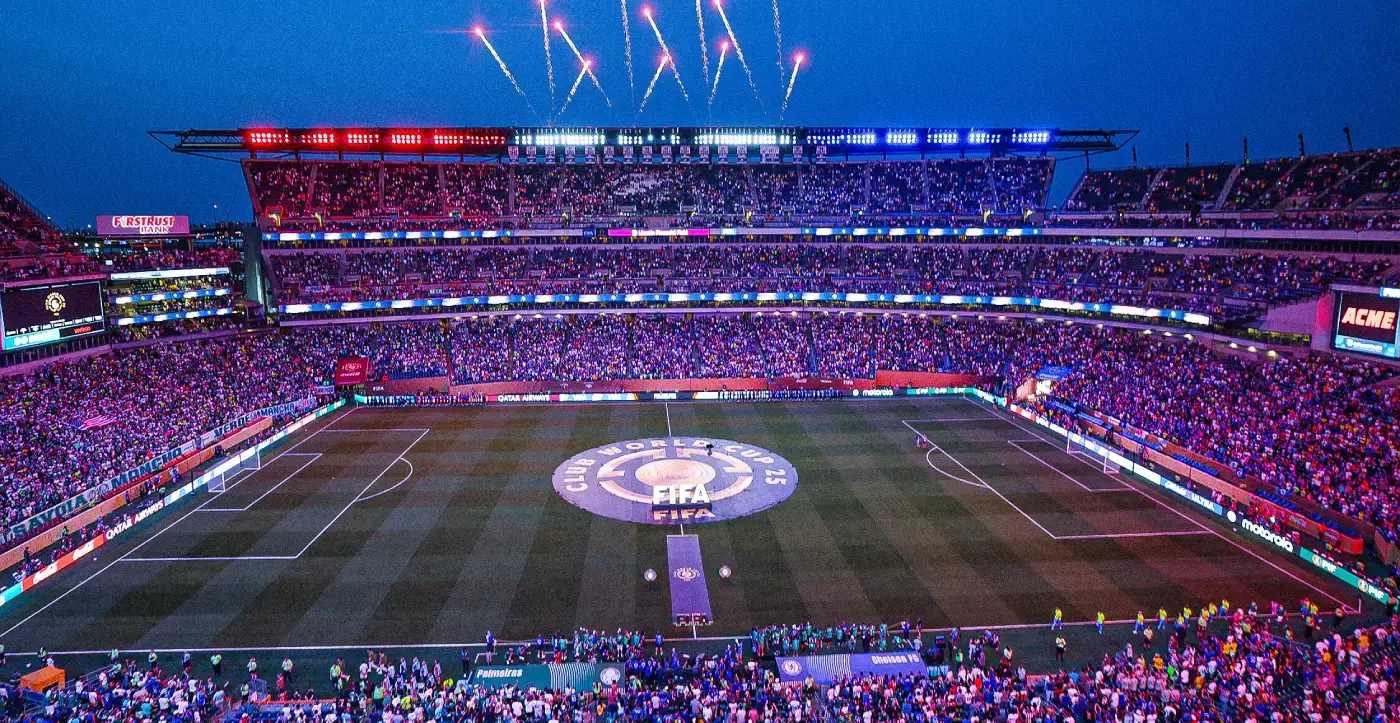
Lincoln Financial Field, Philadelphia
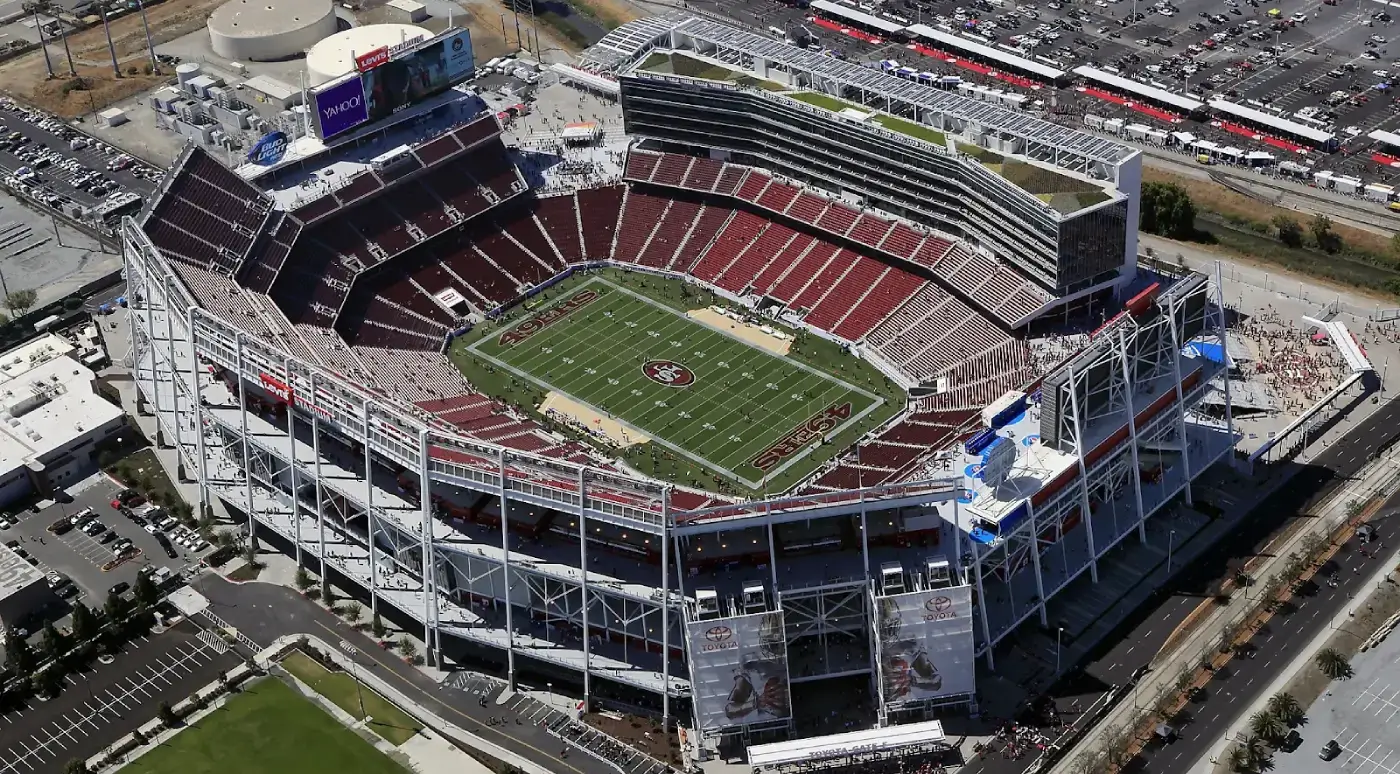
Levi’s Stadium, San Francisco
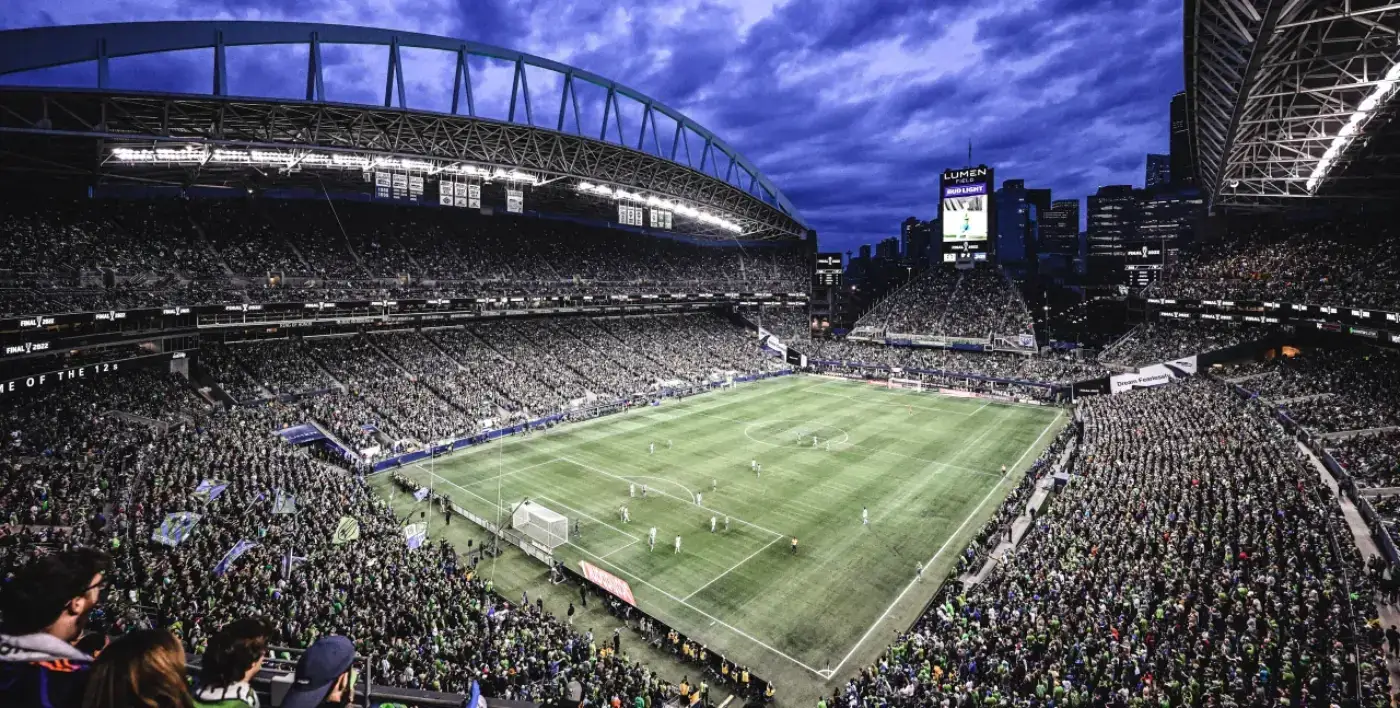
Lumen Field, Seattle
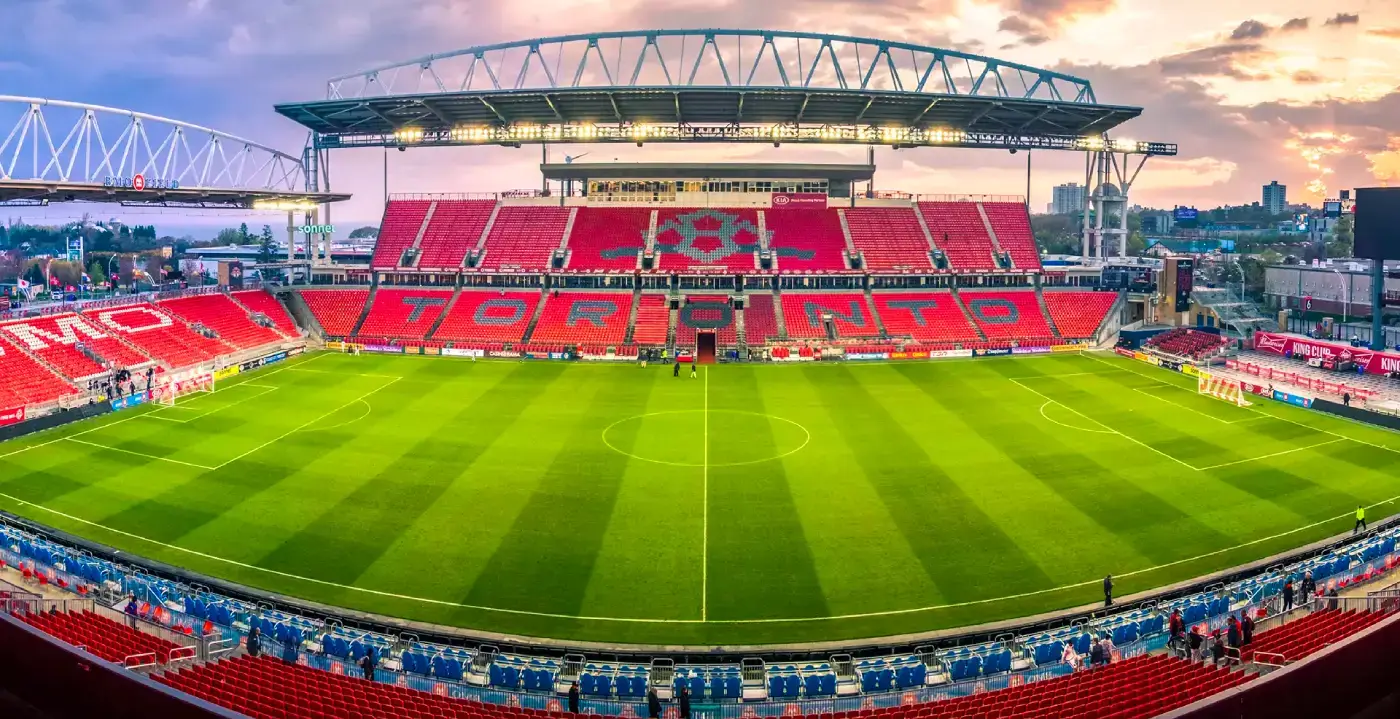
BMO Field, Toronto
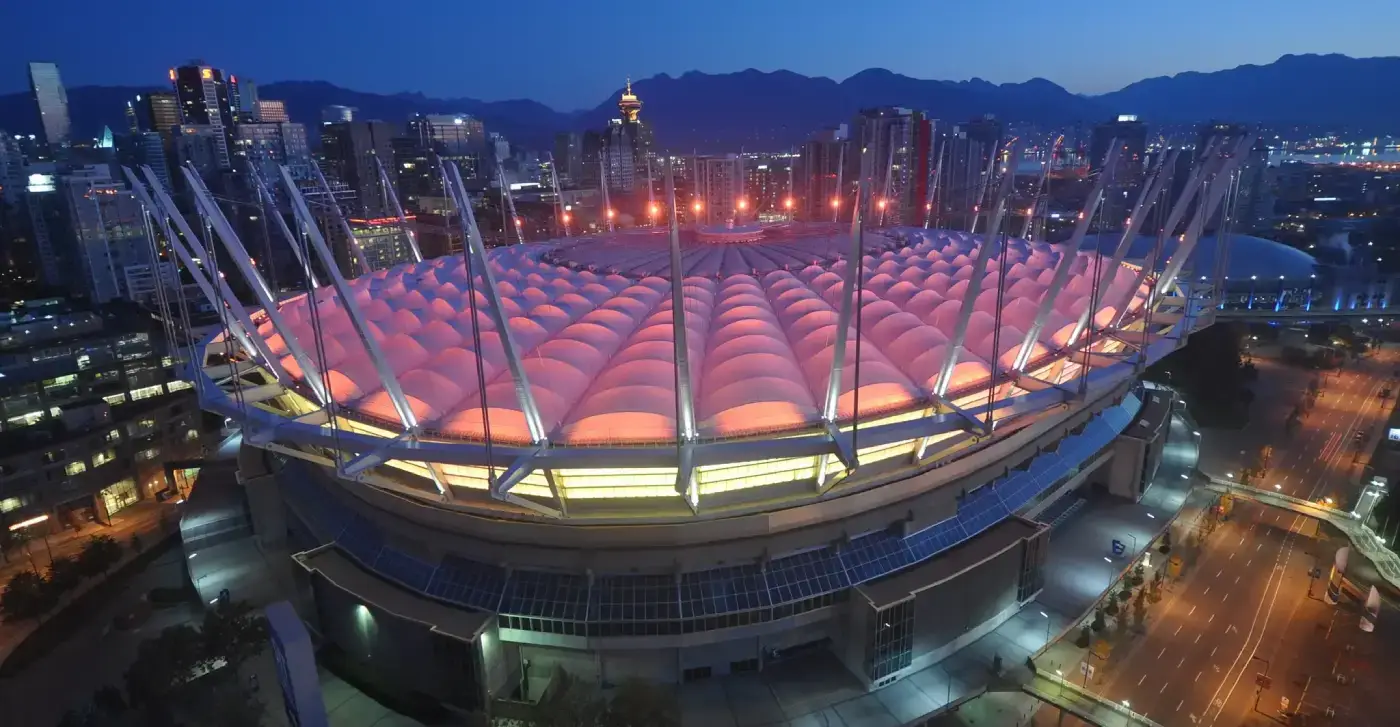
BC Place, Vancouver
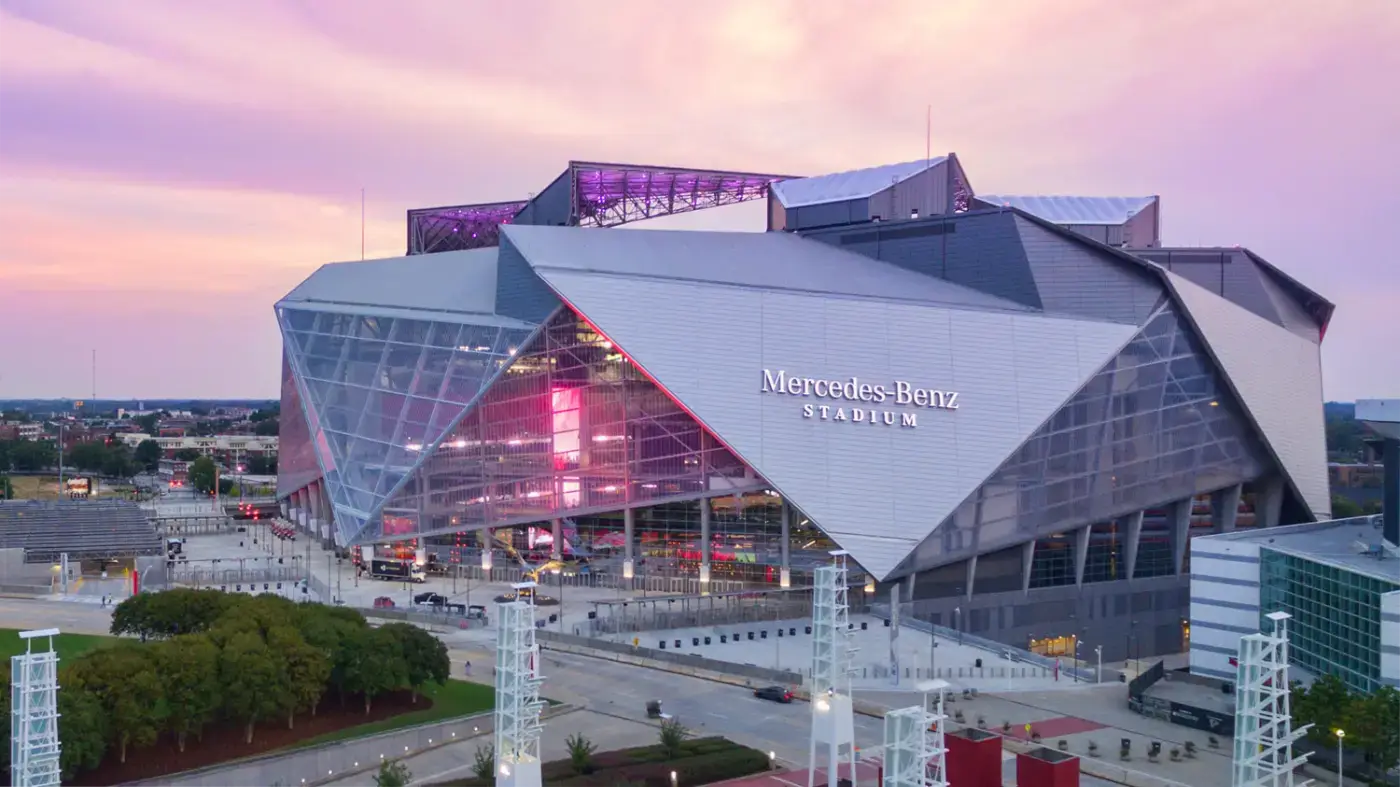
Mercedes-Benz Stadium, Atlanta
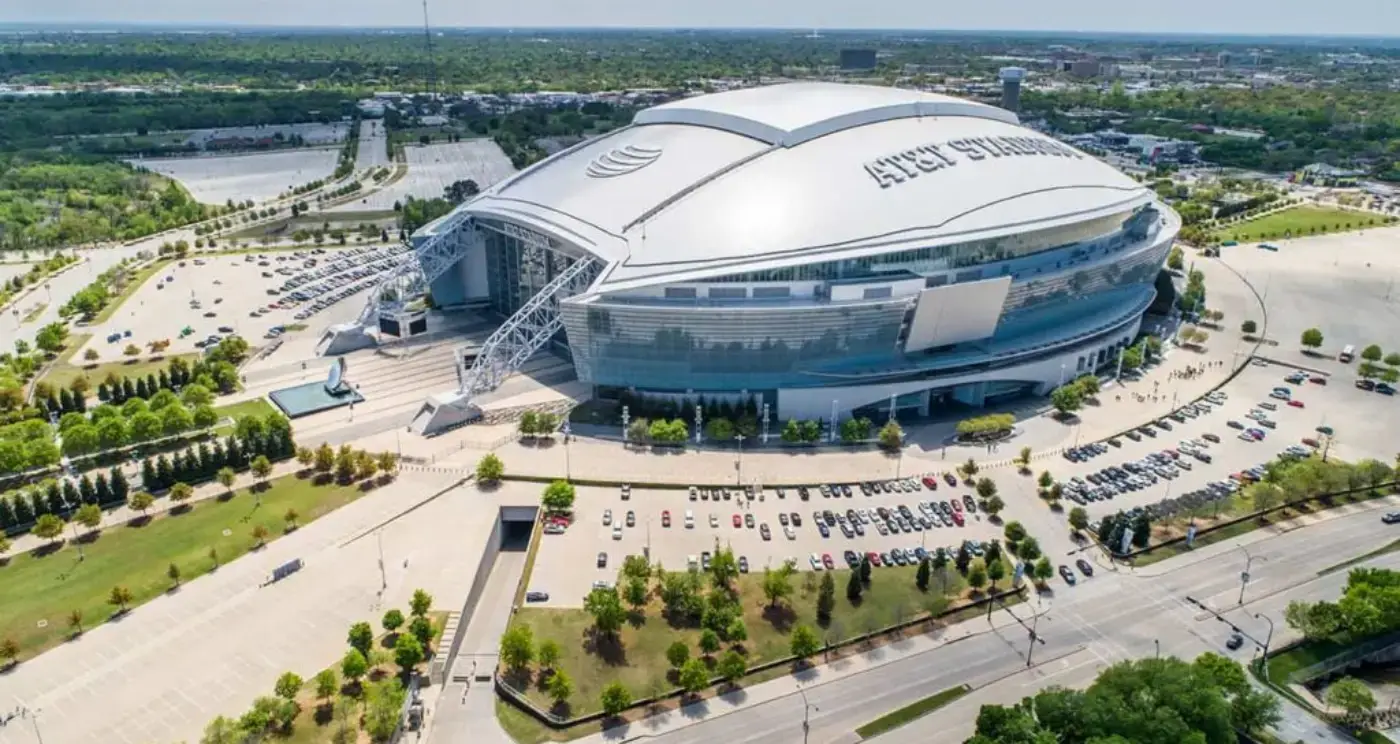
AT&T Stadium, Dallas
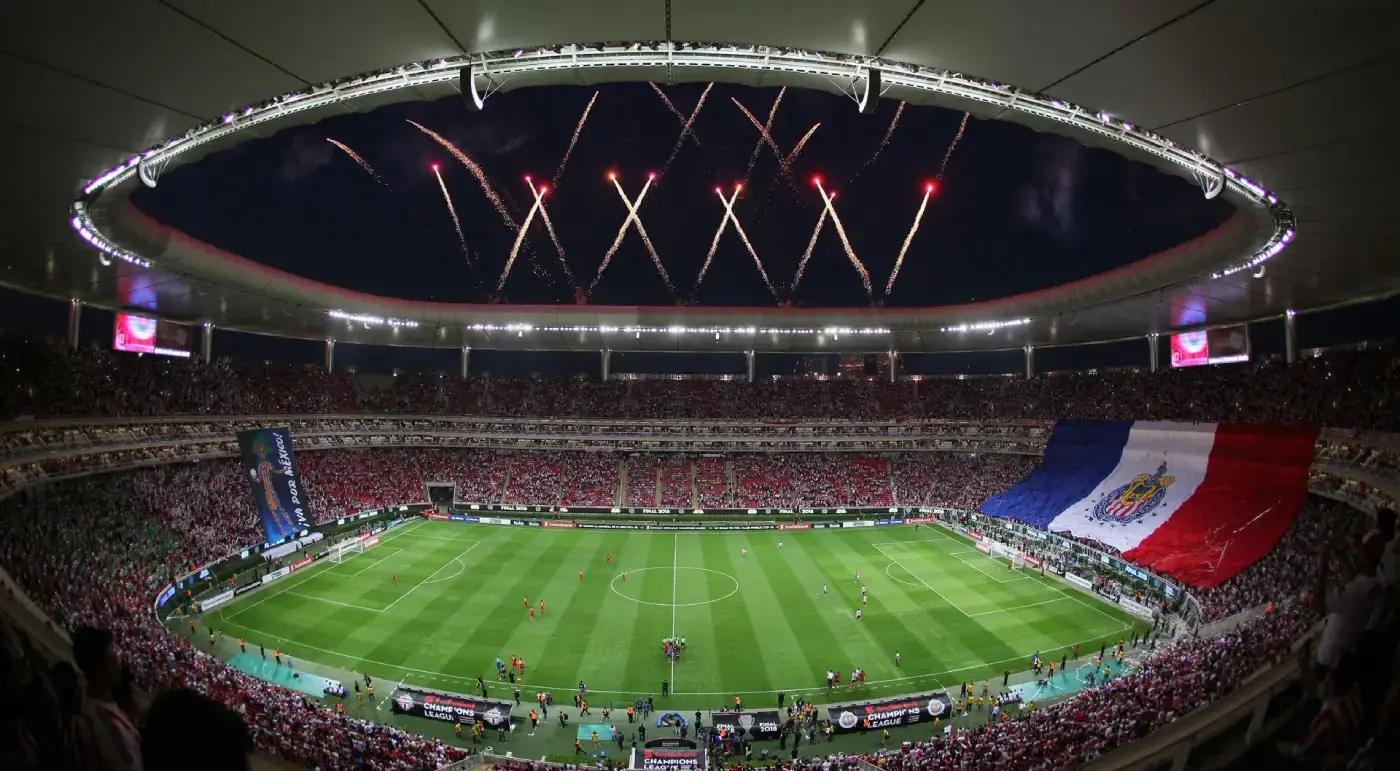
Estadio Akron, Guadalajara
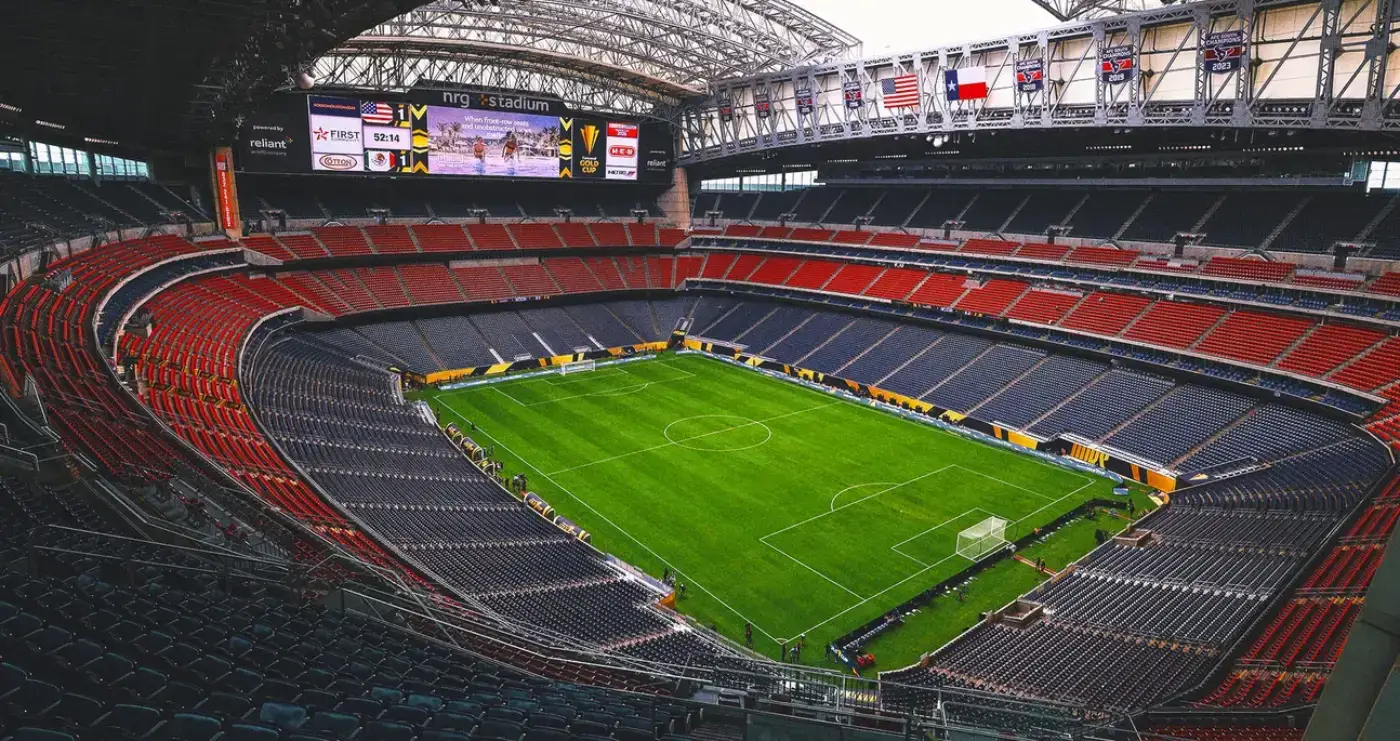
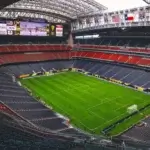
NRG Stadium, Houston
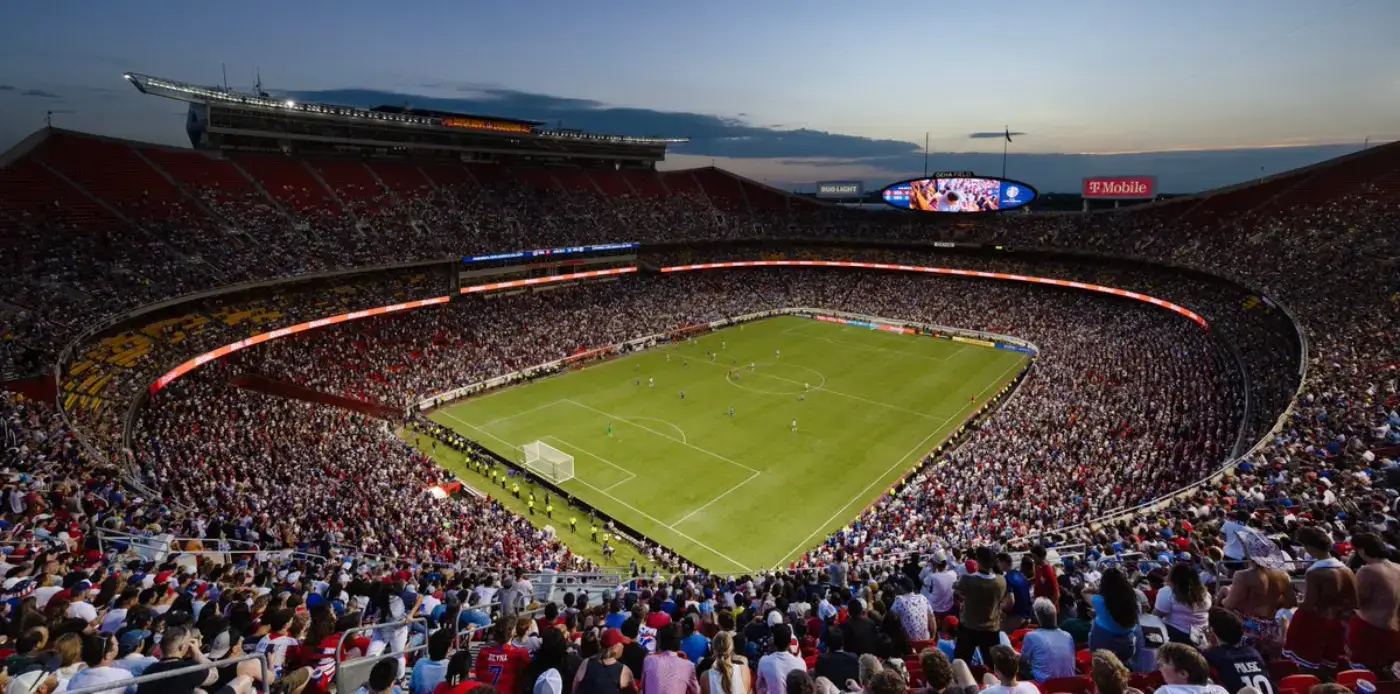
Arrowhead Stadium, Kansas City
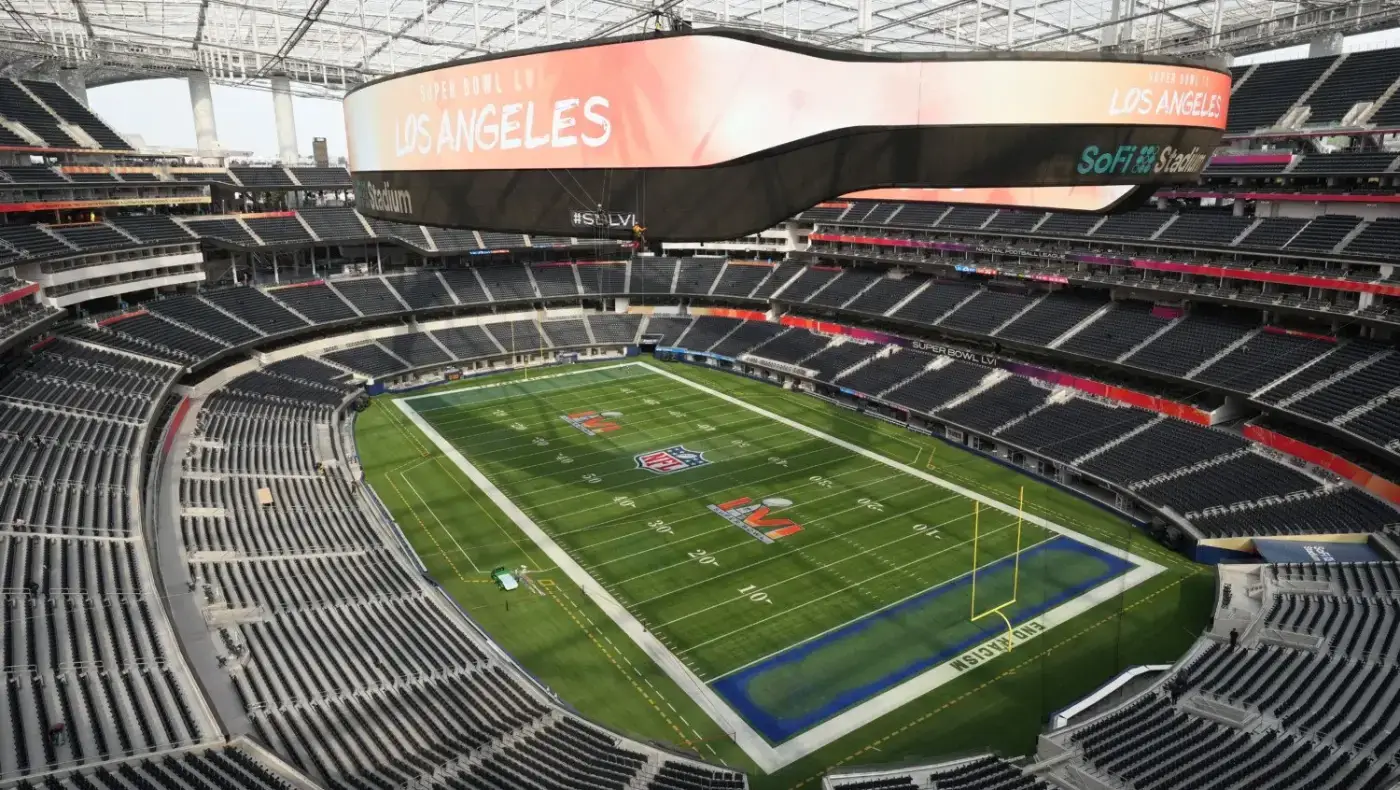
SoFi Stadium, Los Angeles
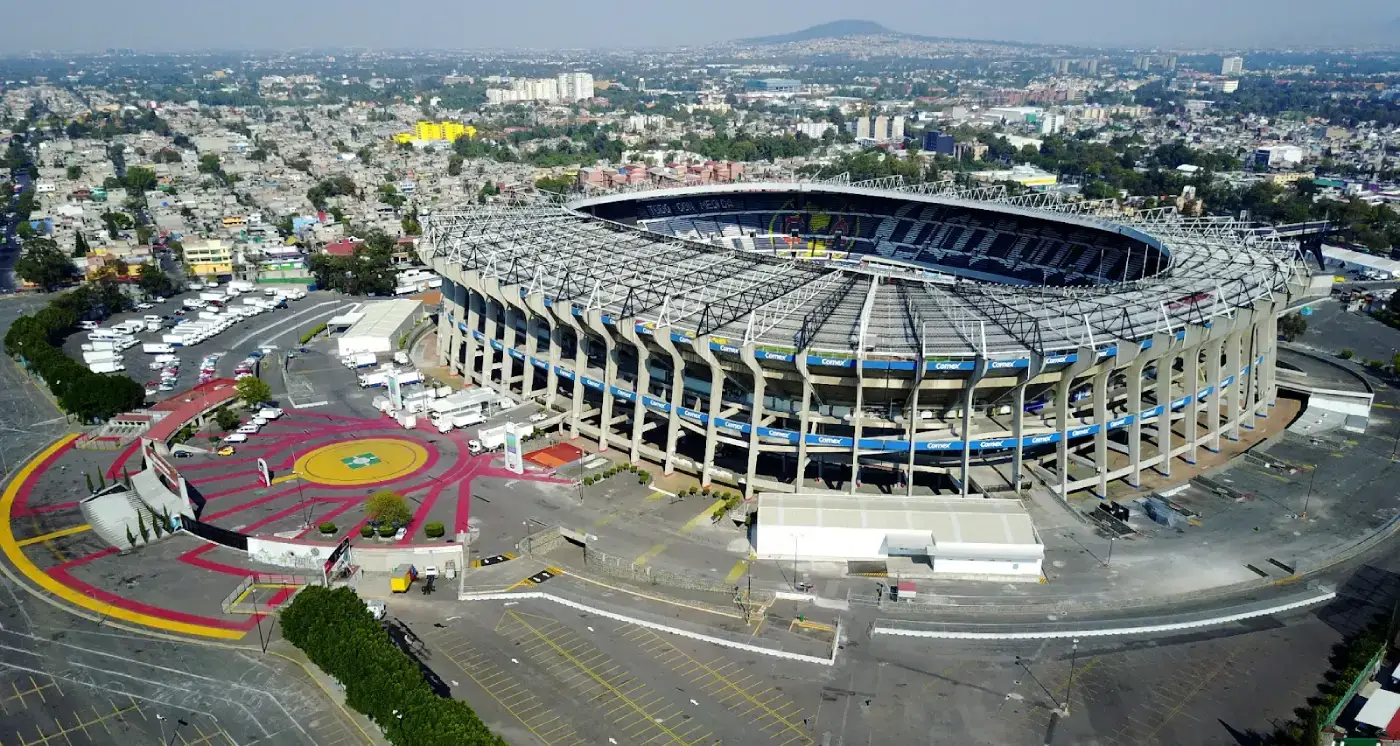
Estadio Azteca, Mexico City
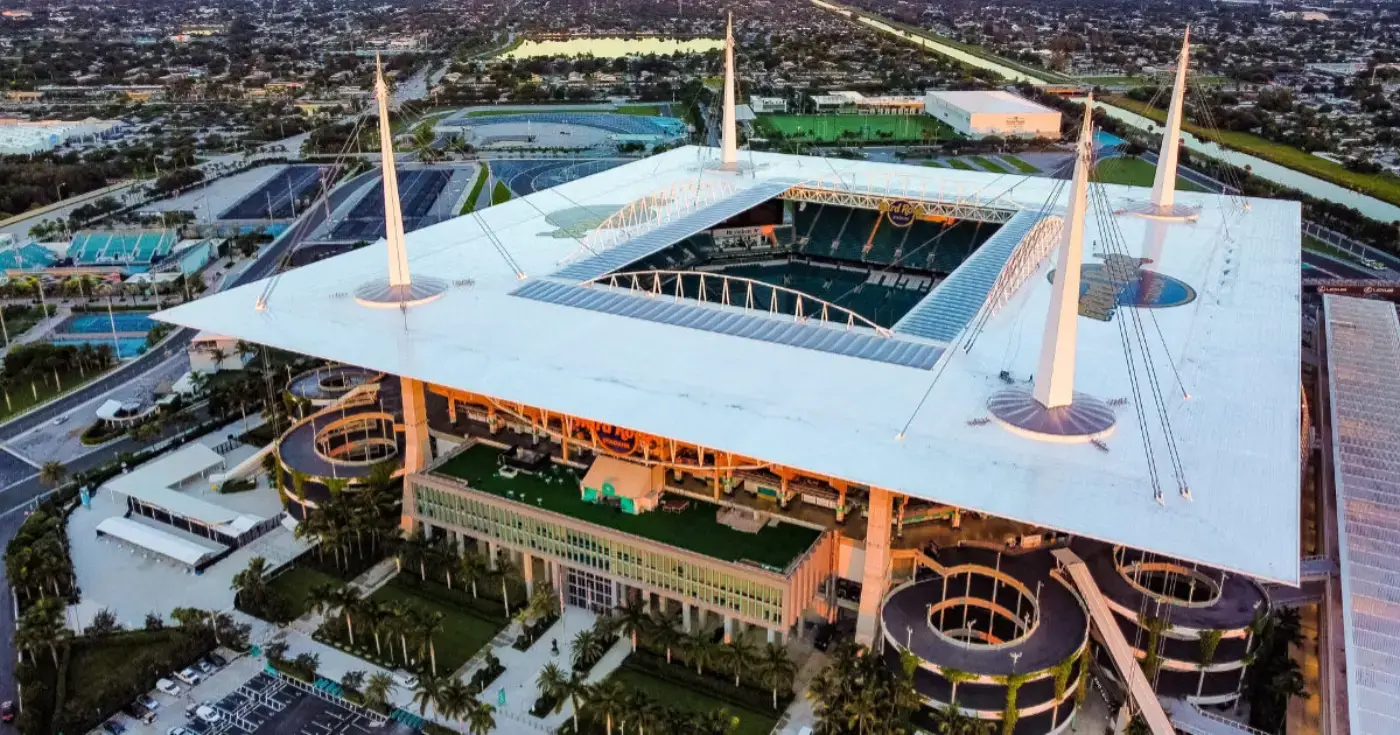
Hard Rock Stadium, Miami
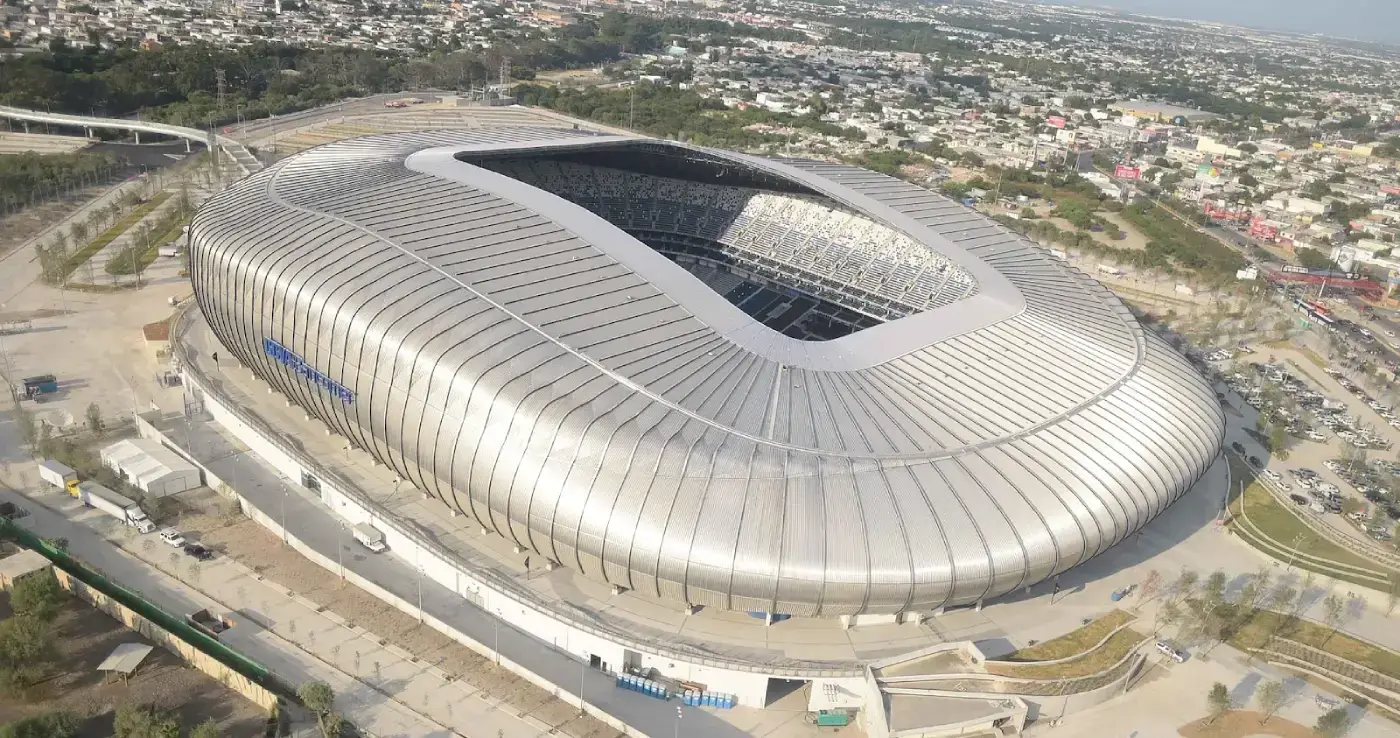
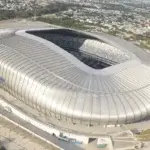
Estadio BBVA, Monterrey
MetLife Stadium, New Jersey
Host Countries & Venues
2026 World Cup Venues
Here is the full list of venues that will host the matches across the tournament:
3Host Countries
16Host Cities
104Total Matches
NY/NJFinal Venue
USA
11 cities78 matches
Key Highlights
New York/New Jersey: 8 matches, including the 2026 World Cup final.
Dallas: 9 matches, including a semi-final on July 14.
Atlanta: 8 matches, including the other semi-final on July 15.
Miami: 7 matches, including the third-place match on July 18.
Los Angeles: 8 matches, including the USMNT’s opening match on June 12.
Host Cities
New York/New JerseyDallasAtlantaMiamiLos AngelesPhiladelphiaBostonKansas CityHoustonSeattleSan Francisco Bay Area
Mexico
3 cities13 matches
Key Highlights
Mexico City: 5 matches, including the opening match of the tournament on June 11.
Guadalajara: 4 matches, including Mexico’s second group game on June 18.
Monterrey: 4 matches, including a Round of 32 match on June 29.
Host Cities
Mexico CityGuadalajaraMonterrey
Historic note: Mexico will become the first country in FIFA World Cup history to host the tournament three times, after previously hosting in 1970 and 1986.
Canada
2 cities13 matches
Key Highlights
Toronto: 6 matches, including the Canada national team’s opening match on June 12.
Vancouver: 7 matches, including a Round of 16 fixture on July 7.
Host Cities
TorontoVancouver
Quick takeaway: the United States hosts most of the tournament, Mexico stages the opening match, and Canada adds two major host cities to the 2026 World Cup map.
An interesting point many of you might be missing is that Mexico is hosting the tournament. This will be the country’s 3rd time being a host to a World Cup, adding 2026 to its previous hosting in 1970 and 1986. While it may not sound like something extraordinary, it actually is – Mexico is the first country in the whole history of the World Cup to host the tournament three times.
World Cup 2026 Favourites
While in this year’s list of squads we see some very promising teams, the truth is that if you look deeper, the tournament is not one-sided, but rather has a forming core of favourites. According to the FIFA official rankings, France is ranked number one, and Spain is a close second. The top three are filled with Argentina, and just below that – England.
That said, now we are going to review the teams mentioned above, with an addition – some of the remaining leading contenders, just to see which of them should be taken seriously and which are hardly a threat.
Spain
Starting with La Roja, they are the favourites, with many experts believing they are the most complete team on the roster. With young players like Lamine Yamal, Nico Williams and Pedri, the team plays direct football, especially given Luis de la Fuente’s preference for strong forward pressure. Spain enters this competition as the reigning European champions and is considered the most promising team.
France
France is currently ranked number 1 in the FIFA rankings, making the team a major threat to others. With Mbappe in the forward position and basically unmatched squad depth, France is one of the teams that no one should ignore. In 2018, they won the World Cup, and in 2022, they finished as runners-up, which means that anything short of a final appearance will be considered a disappointment.
Argentina
The defending world champion is entering the competition as one of the most stable and consistent teams. The fact that this is Leo Messi’s last appearance at a World Cup before his retirement, Argentina is basically a team that should not be belittled. Given the level of competition, Argentina are not among the likeliest teams to win back-to-back World Cups, but with Messi’s leadership and their recent form, their chances are still far from zero.
England
The top cluster of teams could not be formed without the three lions. The England team is considered one of the strongest contenders, with many experienced players and stars like Jude Bellingham and Phil Foden. With several near misses over the last few years, many fans have raised questions about the team’s ability to win any major tournament. The fans want the trophy no matter what, so the motivation for the team to prove themselves this year is basically through the roof.
How to Bet on FIFA World Cup 2026
Being a regular football fan is way different from betting on any World Cup match there is. If you are a sports betting enthusiast, there are some things you need to be aware of before jumping to the right bookie and pulling your slip.
One of the smartest approaches to World Cup betting is to understand the game’s context. What we mean is not only to look at the odds but also to consider what each team actually needs from a game.
To make things easier, we’ve made a simple list that includes key objectives to track:
Qualification scenarios – some of the teams need a win at all costs, while others are good to go with a draw. Make sure to check the standings so you understand better which game is truly important.
Goal Difference – in a tight group with a lot of pressure, one extra scored or conceded goal is what can completely change the table. So, keep that in mind how different scenarios can affect the game.
Bench Rotation – Some teams that have already qualified may rest their stars, especially in the later rounds of the group stage. But that’s not always the case. Some squads have deeper benches and can afford more rotations without risking performance.
Discipline and Cards – some matches, especially in high-pressure fixtures, may become more physical than usual. That puts players at a higher risk of injuries or suspension for 1 or even more matches.
Momentum – Teams that start well usually gain more traction and carry more confidence in the next rounds. Do not forget to take a look at the previous matches of both teams.
Popular World Cup Betting Markets
When we talk about betting, one of the most important things to consider is which markets that you can use. Usually, there are a few misalignments here and there, depending on the bookie. However, we’ll take a look at some of the most common ones. And if you don’t find any of them on your bookmaker, consider taking an alternative route or even switching to a different brand.
Match result (1X2) – this is the classical, most commonly used market worldwide. You predict if the home team (1), away team (2) will win, or to finish with a draw (X).
To qualify – that’s a market which focuses on progression, predicting if a team will go past a certain point in the game. That’s useful for strong contenders, because most of the time these nations pass the group stage and the first few knockouts.
Group winner – This market is also pretty obvious: you predict which nation will finish in first place in a specific World Cup group.
Outright winner – For those of you who are braver than us, the outright winner is a great start. Thanks to this market, you can decide who will be the next trophy winner.
Corners – In advanced fixtures or matches between two aggressive-style teams, the number of corners is usually a bigger number. That said, you are not limited to high-pressure matches, because bettors have two options: under or over.
Special World Cup betting markets – there are some markets limited to the World Cup. Most of them include players’ performance. The Golden Ball, Golden Boot, Golden Glove, and FIFA Young Player awards are given to players who have had a significant impact on the tournament, such as the player with the most goals, the best overall performance, the best goalkeeper, etc.
World Cup Prediction Tips
There is no perfect formula for success. As usual, the best tips for betting on the World Cup are to know both the game and the teams well, not just to follow trends and rumours. However, there are some rules that are worth mentioning, mainly because they will help you focus on what’s truly necessary. Here are some of them:
Knockout stages are completely different
Advancing to the knockout stages means there are no second chances. The knockout stage in the 2026 World Cup is a direct elimination format: there are no ties, and the game is played until a winner is determined (with an extra 30 minutes or penalties). So keep in mind that tactics here are much more important.
Context matters even more
National teams have very limited time to prepare between the matches, especially with the changed format. That’s why what’s important is here and now. The 26-person squad is everything, so any irrelevant news and trends most probably won’t carry over.
Do not forget about the squad depth
It is not a coincidence that we’ve mentioned the squad depth several times during our review of the favourites and contenders. The truth is that with such a packed schedule, deeper teams cope better with things like fatigue and injuries. Make sure to know if the bench has the same quality or is made up of lower-level players, because you need to account for that.
Do not blindly back favourites based on the odds
Strong teams often win, but it is not always in the way the market expects. So, odds may not be the best parameter, and you should not consider it important. What’s actually crucial is to look at the data from both teams.
AI World Cup Predictions
Along with the detailed betting guide, you can also use our Efirbet AI predictions tool to help support your betting decisions on the 2026 FIFA World Cup.
The AI will predict the likely outcome of a selected match by analysing detailed statistical data, including recent form, head-to-head results, and each team’s home and away performances. You also get an idea about the main points which the AI considered before reaching a conclusion.
No AI predictions available at this time.
Interesting World Cup 2026 Facts
In addition to the action, the World Cup 2026 also brings us numbers, records, and stories that will stay in history for a long time. We’ve gathered some of the most interesting facts and statistics that are worth knowing.
4Teams Making Their Debut
2Mandatory Hydration Breaks
$655MPrize Money Pool
6.5MExpected Attendance
Oldest Goalscorer
Roger Milla made history at 42
The Cameroonian legend, Roger Milla, broke the previous record set in Italy after a goal against Russia in 1994 at 42 years and 39 days.
Debut Nations
Four teams will make their World Cup debut
Cabo Verde, Curaçao, Jordan and Uzbekistan are set for their first World Cup appearance. Debutants rarely go deep, but Portugal in 1966 and Croatia in 1998 both finished third in their first tournament.
Cabo VerdeCuraçaoJordanUzbekistan
Prize Money
World Cup prize money reaches new heights
FIFA approved $727 million in financial contributions, with $655 million allocated as prize money. The winners are expected to receive $50 million.
Top Scorer Record
Miroslav Klose still leads the all-time chart
German striker Miroslav Klose holds the World Cup scoring record with 16 goals. Brazil’s Ronaldo follows closely with 15 goals.
Attendance
The 1994 US World Cup still holds the attendance record
Around 3.6 million spectators attended the 1994 World Cup. With the expanded 2026 format, expected attendance could reach around 6.5 million fans.
Defensive Record
Switzerland were eliminated without conceding
In 2006, Switzerland left the tournament without conceding a goal. They were eliminated by Ukraine after a 0-0 draw and a penalty shootout in the Round of 16.
Stolen Trophy
The Jules Rimet Trophy disappeared
After Brazil won their third World Cup in 1970, they earned the right to keep the Jules Rimet Trophy. It was stolen in 1983, and its final fate remains unknown.
Host History
Mexico becomes a three-time World Cup host
Mexico will become the first country in World Cup history to host the tournament three times, adding 2026 to its previous hosting years of 1970 and 1986.
Goalkeeper Record
Polish goalkeepers have a rare penalty-saving record
Two of the three goalkeepers to save two non-shootout penalties in a single World Cup tournament are Polish: Jan Tomaszewski in 1974 and Wojciech Szczęsny in 2022.
Hydration Breaks
Hydration breaks are already a major talking point
World Cup 2026 is expected to feature regular hydration breaks, with three-minute pauses midway through each half helping players manage heat and match intensity.
Quick takeaway: World Cup 2026 combines a new expanded format with historic records, debut nations, huge attendance expectations and several stories that make the tournament bigger than just the matches.
FAQ
When is World Cup 2026?
The 2026 World Cup begins on 11 June 2026 and ends on 19 July 2026, with the final scheduled for New York New Jersey Stadium.
Did Nigeria qualify for World Cup 2026?
No. Nigeria did not qualify for the 2026 World Cup.
How many slots does Africa have in 2026 World Cup?
Africa has nine directly qualified teams in the 2026 finals, with CAF also having an inter-confederation play-off to determine the 10th nation.
Where can I check the World Cup qualifiers table Africa 2026?
The official FIFA World Cup 26 qualifiers pages are the best place to check African results and qualifications.
How many are the countries that have qualified for the World Cup 2026?
There are 48 teams in the tournament, divided into 12 groups of four.
Did Portugal qualify for World Cup 2026?
Yes, Portugal not only qualified for the World Cup 2026, but it is one of the main contenders for reaching the final stages.
Michael Oluwafemi
Author
Michael Oluwafemi didn't stumble into casino and sports betting content. He's spent over a decade building the craft.
His work shows up across sportsbooks, casino operators, affiliate sites, and gaming brands. He covers slot mechanics, live dealer strategy, match previews, and value betting tactics. The goal is always the same: cut through the noise with content that actually helps players decide. That means comparing RTP percentages or reading a Champions League line with zero fluff.
From high-volatility slot reviews to CS2 esports markets, the range is broad. The mission isn't. Create content that informs, entertains, and converts.
When he's not dissecting bonus terms or hunting for +EV bets, he's probably lost in Football Manager.
Michael Oluwafemi
Author
Michael Oluwafemi didn't stumble into casino and sports betting content. He's spent over a decade building the craft.
His work shows up across sportsbooks, casino operators, affiliate sites, and gaming brands. He covers slot mechanics, live dealer strategy, match previews, and value betting tactics. The goal is always the same: cut through the noise with content that actually helps players decide. That means comparing RTP percentages or reading a Champions League line with zero fluff.
From high-volatility slot reviews to CS2 esports markets, the range is broad. The mission isn't. Create content that informs, entertains, and converts.
When he's not dissecting bonus terms or hunting for +EV bets, he's probably lost in Football Manager.
Subscribe today
to receive information on bonuses, promotions and news about the leading bookmakers for your country!